 By admin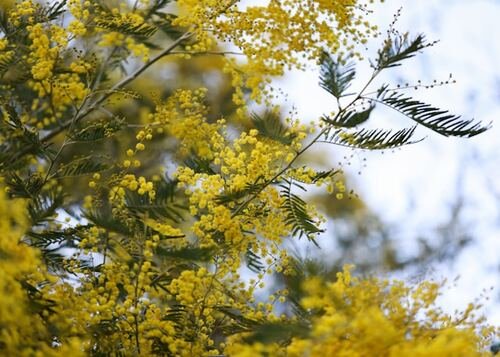
In the world of high-end landscape design, few botanical families offer as much diversity and resilience as the Fabaceae, or legumes. Among this group, the various species of acacia trees have emerged as a premier choice for designers seeking a balance of delicate aesthetics and rugged performance. Known for their unique foliage, vibrant blooms, and nitrogen-fixing capabilities, these trees provide a sophisticated “airy” quality that complements both ultra-modern and rustic Mediterranean architectures.
Why are Acacias Highly Valued in Arid and Tropical Designs?
Acacias are evolutionary masters of efficiency. Originally hailing from diverse climates—ranging from the Australian Outback to the African savanna—these trees have developed specialized structures to handle heat and drought.
From a professional perspective, the attraction lies in their foliage. Many species do not have true leaves; instead, they feature “phyllodes”—flattened leaf stalks that function like leaves but lose much less water. This makes them an indispensable asset for xeriscaping or projects where water conservation is a primary objective. Furthermore, their ability to “fix” nitrogen means they actually improve the soil quality around them, benefiting neighboring plants in the landscape bed.
Which Acacia Species Provide the Best Focal Points?
Choosing an acacia depends on the specific “vibe” of the project. Because they vary so wildly in form, they can be used as either specimen trees or structural accents.
- The Sweet Acacia (Vachellia farnesiana): A favorite in Florida and the Southwest, this tree is famous for its “puffball” yellow flowers that emit a heavy, violet-like fragrance. Its multi-trunked habit and zig-zagging branches create a stunning silhouette against a sunset or a light-colored wall.
- The Shoestring Acacia (Acacia stenophylla): If you are looking for a weeping, willow-like effect without the high water requirements of a true willow, this is the tree. Its long, thread-like phyllodes sway beautifully in the wind, providing a sense of motion in the garden.
- The Earleaf Acacia (Acacia auriculiformis): While often used for its rapid growth and shade, this species requires careful placement. It is a fantastic choice for windbreaks or large-scale reforestation efforts where quick coverage is needed.
How Do Acacias Impact the Soil Ecosystem?
One of the most frequent questions from clients is how to maintain lushness in poor, sandy soils. This is where the legume family shines. Acacias form a symbiotic relationship with soil bacteria called Rhizobia. These bacteria live in nodules on the tree’s roots and convert atmospheric nitrogen into a form the plant can use.
When you source high-quality specimens from a nursery like Treeworld Wholesale, you are getting trees that have been cultivated to maximize this natural vigor. For a landscape designer, this means fewer synthetic fertilizer applications and a more self-sustaining ecosystem for the homeowner.
What are the Maintenance Challenges for Acacia Species?
While they are drought-tolerant and hardy, acacias are not “no-maintenance” trees. Their rapid growth rate means they can sometimes develop “weak” wood if they are over-watered or over-fertilized.
- Pruning: It is essential to perform structural pruning in the first three years. Thinning out the canopy helps wind pass through the tree, which is vital for preventing limb breakage during Florida’s storm season.
- Drainage: The one thing an acacia cannot tolerate is “wet feet.” They must be planted in well-draining soil. If your site has heavy clay or a high water table, consider planting them on a slight mound to ensure the root crown stays dry.
Designing with Light and Texture
The true magic of an acacia is found in the way it interacts with light. Because their canopy is often dappled rather than dense, they allow enough sunlight to reach the ground to support a vibrant understory of ornamental grasses or succulents. This “layered” lighting effect creates a more complex and inviting outdoor room.
When planning your next project, consider the acacia trees not just as a tree, but as a functional tool for soil health and visual texture. By matching the right species to your site’s drainage profile, you create a landscape that is as resilient as it is beautiful. Always remember to inspect the trunk of any new acacia for signs of borers or damage before planting, as a healthy start is the secret to their legendary longevity.